Funeral flowers Isleworth what families must know about permits
Posted on 11/10/2026
Arranging funeral flowers in Isleworth can feel simple at first, then suddenly not so simple at all. You choose the tribute, write the card, maybe ask for white lilies or a classic wreath, and then someone mentions permits, venue rules, or cemetery restrictions. That is usually the moment families pause. In the middle of grief, the last thing you need is a flower delivery turned away at the gate because the service location has its own rules.
This guide explains funeral flowers Isleworth what families must know about permits in plain English. We will look at when permissions matter, who normally needs to check, how funeral flower delivery works around churches, crematoriums, cemeteries, and private venues, and how to avoid the common mistakes that can cause stress on the day. If you are trying to keep things dignified and calm, this is the practical stuff that helps. Not glamorous. Very useful, though.
One thing to keep in mind: most flower orders do not need a formal permit in the everyday sense. But certain venues, local authorities, cemeteries, and memorial gardens may have rules about access, placement, timing, and display. That is the bit families often miss. So let's make it clear, and a little easier.
Table of Contents
- Why funeral flower permits and permissions matter in Isleworth
- How funeral flower permissions usually work
- Key benefits and practical advantages
- Who this is for and when it makes sense
- Step-by-step guidance
- Expert tips for better results
- Common mistakes to avoid
- Tools, resources and recommendations
- Law, compliance, standards, or best practice
- Options, methods, or comparison table
- Case study or real-world example
- Practical checklist
- Conclusion
- Frequently asked questions
Why Funeral flowers Isleworth what families must know about permits Matters
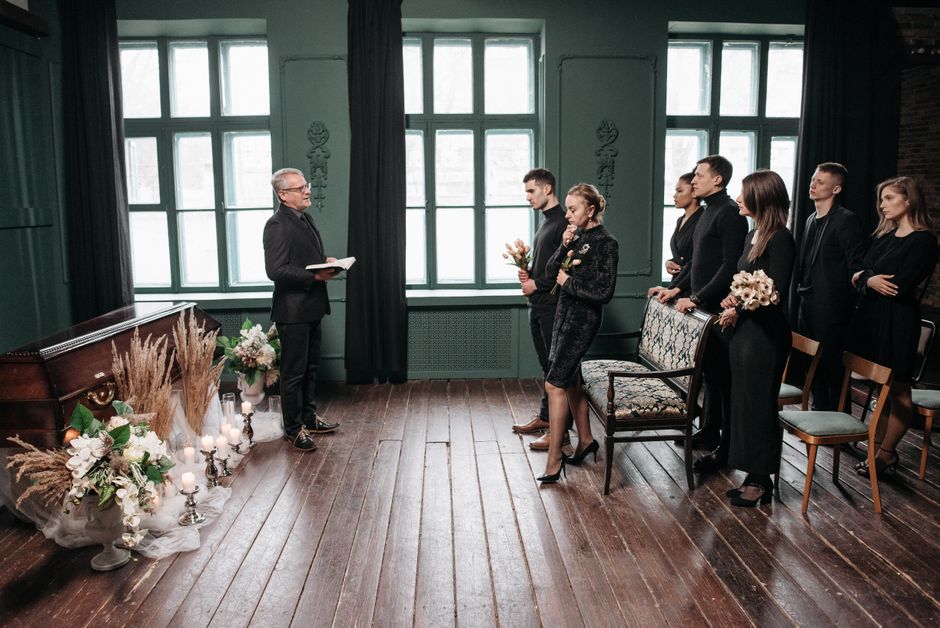
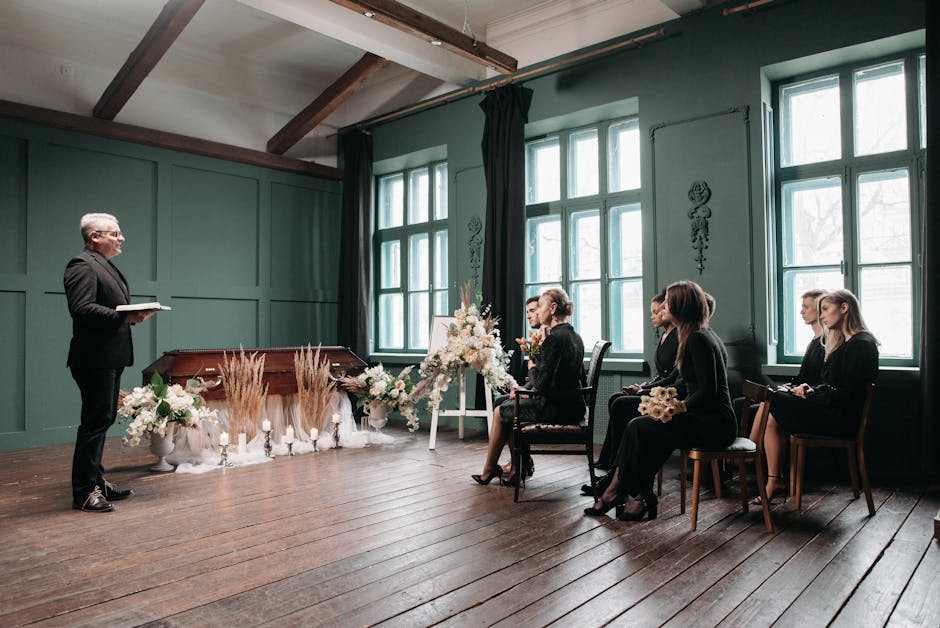
Funeral flowers are not just decoration. They help shape the tone of the farewell. A white spray on a coffin, a sympathy wreath near the photo table, or a simple posy at the family car can all give people something gentle to focus on when the day feels overwhelming.
But in Isleworth, as in other parts of London, the practical side matters too. Some venues have strict delivery windows. Some cemeteries ask for prior notice if large floral tributes are being placed near a grave or memorial area. Crematoriums and church halls may have limits on where flowers can sit, especially if there are access routes to keep clear. That is not meant to be awkward. It is usually about order, safety, and keeping the service moving smoothly.
Families often assume flowers can just be brought in like a normal delivery. Truth be told, funeral arrangements work differently. Timing is tighter. Space is more sensitive. And there may be more than one person involved: the funeral director, the venue, the florist, the family, and sometimes the cemetery or local authority. If one piece is missed, the whole thing becomes a bit of a scramble.
This is why permits and permissions matter. They help avoid:
- late arrivals at the service
- tributes being placed in the wrong area
- venue staff refusing delivery at the door
- confusion over who can authorise placement
- last-minute stress for already grieving families
For families in Isleworth, a little planning makes a big difference. And if you are also choosing from a wider range of tribute styles, it can help to look at funeral flowers in Isleworth early, so the design and delivery timing can be matched to the service properly.
How Funeral flowers Isleworth what families must know about permits Works
First, let us clear up the word permit. In everyday conversation, people use it to mean any kind of permission, approval, or rule you must follow. In funeral flower planning, that usually covers venue instructions rather than a formal permit form with a stamp on it. Sometimes there is no permit at all. Sometimes there is a simple approval process. Sometimes the funeral director handles it as part of the arrangement.
Here is how it typically works in practice:
- The family chooses the tribute - wreaths, sprays, coffin flowers, letter tributes, hearts, cushions, posies, or something personal.
- The venue is confirmed - church, crematorium, cemetery chapel, home, private hall, or graveside.
- Delivery instructions are checked - time slot, entrance, contact name, and whether the flowers should go to the front, side, vestry, reception area, or direct to the florist of the venue.
- Any special rules are reviewed - size limits, placement rules, colour restrictions for some faith-based services, or restrictions on loose floral materials.
- The florist prepares the tribute - often with a card, ribbon message, and care to keep it stable for transport.
- Delivery is timed carefully - usually before the service, sometimes the day before if the venue allows it.
That sounds straightforward, and often it is. But small details matter. A memorial service at 10:30 a.m. with multiple tributes arriving at once can be far more sensitive than a standard home delivery. You need the right bouquet, yes, but also the right route, the right timing, and the right place to leave it.
If you are ordering alongside other gifts or sympathy items, the same care applies. Some families like to keep the floral plan simple with a single wreath or spray, while others choose coordinated tributes and cards. You can explore options such as sympathy flowers or a more traditional funeral flowers range depending on the tone you want to set.
A useful rule of thumb? If the venue is not your own home, assume there may be an access rule. Then check rather than guessing. It saves awkwardness later. And at a funeral, awkwardness is the last thing anyone wants.
Key Benefits and Practical Advantages
Getting permits and permissions right is not just about compliance. It is about peace of mind. Families already carry enough. When floral arrangements are delivered correctly, the service feels calmer, more considered, and more dignified.
Some of the most practical advantages are:
- Less stress on the day - no last-minute calls to chase missing flowers.
- Better presentation - tributes arrive in the right place and at the right time.
- Respect for the venue - which matters a great deal in churches, chapels, crematoriums, and cemeteries.
- Fewer delivery problems - especially where access is limited or parking is tight.
- More suitable design choices - some tributes work better in certain spaces than others.
- Less wasted money - if a large item would not be allowed, you can avoid ordering it in the first place.
There is also an emotional benefit that families sometimes only notice afterwards: when flowers are handled properly, they feel like a genuine part of the farewell rather than a separate delivery problem. It sounds minor. It is not.
In Isleworth, where funeral services may involve busy roads, careful timing, and different venue expectations, that organisation makes the day feel smoother. The flowers become part of the ceremony, not a distraction from it.
Who This Is For and When It Makes Sense
This guide is for anyone arranging or helping with funeral flowers in Isleworth, especially if there is a service location involved that is not simply a home address. It is also useful if you are:
- ordering on behalf of a parent, partner, sibling, or friend
- co-ordinating flowers with a funeral director
- arranging a crematorium or graveside tribute
- working around a church or faith venue with specific customs
- sending sympathy flowers from a distance and need delivery clarity
- planning a modest tribute on a tight budget but still want it to feel right
It also makes sense if you are choosing between several types of funeral tribute. For example, a family may prefer a neat wreath for the coffin, but a larger letter tribute or casket spray might need more space and earlier approval. Smaller options such as posies or sympathy bouquets are often easier to place, especially when timing is tight.
And if you are trying to decide between local delivery and a broader send-flower option, the same practical thinking applies. A page like flower delivery in Isleworth may be useful for general service planning, while a dedicated funeral design may be better for the tribute itself. Different jobs, different expectations.
To be fair, not every family needs a complex arrangement. Sometimes the best choice is a simple, respectful spray and clear instructions. Simplicity done well is usually better than overthinking it to death. No pun intended, but there it is.
Step-by-Step Guidance
If you want to keep funeral flowers straightforward, use this practical sequence.
1. Confirm the venue and service type
Start with the exact location: church, crematorium, cemetery, graveside, home, or private venue. Then confirm whether the flowers are for the service itself, the burial, the wake, or all three. That alone will shape delivery timing and possible permissions.
2. Ask who is responsible for approvals
Sometimes the funeral director handles everything. Sometimes the family must check with the venue directly. Sometimes the florist is given the instructions. Ask who has final authority for flower placement, because if everyone assumes someone else is sorting it, you get that very modern experience of administrative silence. Not ideal.
3. Check size and placement rules
Large coffin sprays, casket tributes, standing arrangements, or letter tributes may need more space than expected. Some venues prefer flowers near the entrance or on a designated table rather than at the altar or graveside edge. Check before the arrangement is made, not after.
4. Confirm the delivery window
Funeral flowers are usually time-sensitive. Ask whether delivery should be before the family arrives, before the hearse, or after a specific set-up point. In some cases, the florist may need a named contact on site to receive the tribute. If the service is early in the morning, bear in mind that delivery access can be tighter than it looks on paper.
5. Decide on the wording
Card wording should be brief, clear, and suitable for the relationship. Keep it natural. A short line like With deepest sympathy or Forever in our thoughts is usually enough. If the flowers are from several people, make sure names are listed correctly. Spelling matters more than people think at moments like this.
6. Choose the right style
For formal services, classic whites, creams, and soft greens are often chosen. For close family tributes, heart-shaped designs or name tributes can feel more personal. For quieter expressions of sympathy, a basket, posy, or wreath may be more suitable. If in doubt, ask for a florist's recommendation based on the venue and the relationship to the deceased.
7. Reconfirm the day before
This is the step people skip, and then regret. A quick check of the time, address, contact person, and access notes can prevent a last-minute wobble. In our experience, that one message or call saves a lot of faffing around.
Expert Tips for Better Results
When families ask what really makes funeral flower arrangements go smoothly, it is usually the small things. Here are the details that make a difference.
- Keep the design suitable for the setting. A large, elaborate tribute may be beautiful, but it still needs room. Choose with the venue in mind.
- Use delivery notes like a pro. Include full address details, service time, who will receive the flowers, and any entry instructions. If there is a side gate or rear entrance, say so.
- Stick to practical colours where appropriate. White, cream, pale pink, soft yellow, and gentle mixed tones tend to suit most services, though personal and cultural preferences absolutely matter.
- Think about the weather. A cold, drizzly London morning can affect how tributes are transported and displayed. Florists usually plan for this, but timing still matters.
- Choose stable mechanics for transport. Foam-free or water-secured designs can be useful where flowers must travel a little further.
- Keep faith and cultural preferences in view. Some services have customs around flower colour, shape, or placement. Ask respectfully. It is better to check than guess.
A very human tip: if you are under emotional strain, write everything down. The service time. The entrance. The contact name. The tribute wording. Grief can make even simple details slippery. Paper helps. Old-fashioned, yes. Helpful, absolutely.
For families who want a simple but dignified tribute, options such as a wreath or a more structured spray can be easier to manage than a large custom design. If the family wants something especially personal, a tribute range can also be explored through tributes.

Common Mistakes to Avoid
Most flower problems are not dramatic. They are just irritating, and at a funeral that is enough.
- Assuming no permission is needed. A venue may have rules even if nobody mentioned them at first.
- Leaving delivery until the last minute. Funeral floristry often has to be prepared and delivered within a tight schedule.
- Ordering a tribute that is too large. Beautiful is good. Oversized and awkward is not.
- Not checking the name on the card. One typo can make a thoughtful tribute feel rushed.
- Forgetting access limitations. Parking, stairs, one-way roads, and busy venue entrances all matter.
- Choosing based only on photos. The picture online may not show the actual size or shape in a funeral setting.
- Ignoring local context. A nearby crematorium or cemetery may have different rules from a church hall or private venue.
Another easy mistake is to order a generic sympathy bouquet when you actually need a formal funeral tribute. They are related, but not always interchangeable. If the flowers are going to be displayed at the service, make sure the design suits the occasion. If they are going to the family home after, the choice can be a bit more flexible.
Sometimes families think they should make everything grand. They do not. A modest arrangement that arrives on time is often far more meaningful than something oversized and impractical. Honest truth.
Tools, Resources and Recommendations
You do not need complicated tools to organise funeral flowers well, but a few simple resources can help enormously.
- Service details sheet: keep the venue, date, time, and contact name in one place.
- Message draft: prepare the card wording before ordering so you are not rushed.
- Photo or layout note: if the tribute should be placed beside a coffin, lectern, or framed photo, make that clear.
- Budget range: decide whether you want a simple posy, a medium wreath, or a larger family tribute.
- Backup contact: useful if the primary organiser is travelling or emotionally overwhelmed on the day.
As for flower styles, the following categories are often helpful starting points:
- funeral cards for a brief, dignified message
- sympathy flowers for sending condolences to the family
- sympathy arrangements when a softer gesture is more appropriate
- wreaths for a traditional tribute
- letter tributes for initials, names, or a highly personal message
If budget is a concern, it is still possible to choose something tasteful without overspending. A simple design done carefully will always feel better than a rushed showpiece. If you need a broader range, a local florist in Isleworth can usually advise on what suits the venue and the timing best.
Law, Compliance, Standards, or Best Practice
Here we need to be careful and practical. Funeral flower rules are not the same everywhere, and they are not always set out as formal law. In many cases, the deciding factor is venue policy, cemetery regulations, church guidance, or the funeral director's process. That means families should treat permissions as a planning issue first, and a compliance issue second.
Good practice usually includes:
- checking who has authority to approve flower placement
- following venue time slots exactly
- respecting faith-specific customs and memorial rules
- keeping access routes clear for mourners and staff
- ensuring large or custom tributes do not block doors, aisles, or graveside access
If the service is at a crematorium, cemetery, or religious venue, the rules about floral tributes may be stricter than for a home visit or a wake at a private venue. That is entirely normal. It is not about making life difficult; it is about ensuring the event is respectful and safe.
It is also worth noting that florists should handle deliveries responsibly, particularly where the tribute is time-critical. Clear labelling, accurate contact details, and sensible packaging are not just nice touches. They are part of good service. If you are comparing providers, looking at a business's delivery information and guarantees can help you judge how carefully they work.
For families, the most important standard is simple: make sure the tribute arrives safely, on time, and in the right place. That is the real measure.
Options, Methods, or Comparison Table
Different funeral flower choices suit different situations. Here is a simple comparison to help you decide.
| Option | Best for | Permission/placement needs | Practical note |
|---|---|---|---|
| Wreath | Traditional services, general family tribute | Usually straightforward, but still check venue instructions | Neat, recognisable, easy to place |
| Spray | Coffin-top or service display | May need confirmation of size and exact positioning | Often chosen for formal services |
| Letter tribute | Personalised name or initials | Often requires more space and earlier approval | Very personal, but less flexible if the venue is compact |
| Posy or basket | Home condolences or smaller services | Usually easy to deliver and place | Good choice when simplicity matters |
| Heart or cushion tribute | Close family tribute | Check display rules carefully | Meaningful, but can be more space-sensitive |
If you are undecided, ask one simple question: where will it physically sit on the day? That single detail often tells you whether the tribute should be small and flexible, or larger and more formal.
Case Study or Real-World Example
Here is a realistic Isleworth-style example. A family is arranging a funeral service at a local chapel followed by a burial later in the day. They want a white coffin spray from immediate family, a wreath from colleagues, and a smaller sympathy bouquet from neighbours. Sounds manageable, right? It is - if the details are checked.
The first issue is timing. The chapel has a short window before the service. The florist therefore needs the correct access time and a named contact who can receive the flowers. The second issue is placement. The coffin spray is intended for the front of the venue, while the wreaths will sit near the guest book table. The smaller bouquet is for the family home later, so it does not need to travel with the service flowers.
Once those points are sorted, everything becomes much calmer. The immediate family tribute arrives first. The colleague wreaths are placed neatly nearby. The bouquet for the home is delivered separately after the service. No one is chasing missing arrangements. No one is carrying flowers through a crowd at the last second. And the family can focus on being with each other, which is what matters.
That is the quiet value of permits and permissions: they help the day unfold without small avoidable problems. No drama. Just a smoother farewell.
Practical Checklist
Before you place the order, run through this checklist. It really does help.
- Have I confirmed the exact venue and service time?
- Do I know who is responsible for approving flower placement?
- Are there any size, access, or timing restrictions?
- Have I chosen a tribute that suits the space?
- Is the card message correct and properly spelled?
- Have I given the florist full delivery instructions?
- Do I need separate flowers for the service and the home?
- Have I checked whether the arrangement needs to arrive before the family?
- Is there a backup phone number for the day?
- Have I rechecked everything the day before?
Quick takeaway: if you only do three things, make sure you confirm the venue rules, the delivery window, and the exact placement point. Those three details prevent most problems. Simple, but crucial.
Get a free quote today and see how much you can save.
Conclusion
Funeral flowers in Isleworth are about more than choosing a beautiful arrangement. They are about timing, respect, and the small permissions that help a service run properly. Once you understand who controls placement, what the venue allows, and how delivery should be timed, the whole process becomes far less stressful.
If you are arranging flowers right now, keep things clear and practical. Ask the venue questions early. Confirm the address and time. Choose a tribute that suits the setting, not just the picture. And if you are unsure, go simpler rather than larger. In these moments, simple done well often says the most.
And if the day still feels heavy, that is normal. One careful arrangement can't fix grief, of course. But it can carry a message of love in a way that feels steady, respectful, and quietly kind.
Frequently Asked Questions
Do funeral flowers in Isleworth usually need a permit?
Usually not in the formal legal sense. What families often need is permission or guidance from the venue, cemetery, crematorium, or funeral director about where and when flowers can be delivered and displayed.
Who checks the rules for funeral flowers?
It depends on the arrangement. Often the funeral director handles it, but sometimes the family, the florist, or the venue itself will confirm access and placement details. Always ask rather than assume.
Can I send funeral flowers directly to a crematorium or church?
In many cases yes, but only if the venue accepts deliveries and the timing is agreed in advance. You should always provide the full service details and a contact name if required.
What happens if flowers arrive too early or too late?
Too early may mean storage issues or the arrangement being moved. Too late may mean the tribute misses the service entirely. That is why exact timing matters so much for funeral flowers.
Are there rules about the size of funeral tributes?
Often yes. Larger tributes like letter designs, hearts, or casket sprays may need extra space or prior approval. Smaller wreaths and posies are usually easier to place, especially in compact venues.
What should I write on a funeral flower card?
Keep it short, warm, and appropriate to your relationship with the person who has died. A few honest words are usually enough. If several people are sending the flowers, make sure all names are included correctly.
Is it better to choose a wreath or a spray?
It depends on the service. A wreath is a traditional all-round option, while a spray is often chosen for coffin-top or service display use. The venue and the type of farewell should guide the choice.
Can funeral flowers be delivered the day before the service?
Sometimes yes, but only if the venue can receive them and keep them safely until the service. Many families prefer same-day delivery so the flowers arrive fresh and in line with the ceremony timing.
What if the family wants something personal?
Then a letter tribute, heart, customised wreath, or themed tribute may be appropriate. Personal tributes can be very moving, but they should still fit the venue rules and the available space.
Do faith-based services have different flower rules?
They can, yes. Some services have preferences or customs around flower style, colour, or placement. If the service is religious or culturally specific, it is best to check respectfully with the organiser or venue.
How do I avoid mistakes when ordering funeral flowers in Isleworth?
Confirm the venue, the time, the contact person, the placement point, and the message card before placing the order. Those five checks prevent most problems and keep the day calmer for everyone involved.
What is the best flower choice if I am not sure what to send?
A simple wreath, posy, or sympathy arrangement is usually a safe and respectful choice. If you want a more tailored recommendation, speak to a local florist and explain the venue and relationship clearly.