Simple solutions for fresh cut flower care
Posted on 06/06/2025
Simple Solutions for Fresh Cut Flower Care
There's nothing quite like a fresh bouquet of cut flowers to brighten your space and lift your spirits. However, all too often, these beautiful blooms begin to wilt and lose their vibrancy faster than we'd like. Luckily, with the right simple solutions for fresh cut flower care, you can extend the life of your arrangements and enjoy their beauty for as long as possible.
Why Proper Care for Cut Flowers Matters
The longevity and allure of your freshly cut flowers depend largely on proper home care. When you bring home a bouquet or receive flowers as a gift, remember that the blossoms have been separated from their nutrient sources. That means a little extra attention can go a long way toward prolonging their lifespan. Taking the time to care for your fresh flowers will reward you with days--even weeks--of spectacular color and fragrance.
Essential Supplies for Flower Care
- Clean vase or container
- Sharp pruning shears or scissors
- Room-temperature water
- Flower food (usually included with store-bought bouquets)
- Bleach, apple cider vinegar, or sugar (optional for homemade preservatives)
Quick Guide: The Basics of Fresh Flower Care
While each variety of flower may have unique needs, there are universal steps that apply to all fresh cut flowers:
- Remove leaves underwater: Strip any leaves that would sit below the waterline in your vase. This reduces bacterial growth.
- Re-cut the stems at a 45-degree angle: This increases water uptake and prevents the stem from resting flat against the bottom of the vase.
- Use a clean vase and fresh water: Dirty containers introduce bacteria, which accelerate wilting.
- Add flower food or homemade preservative: These provide essential nutrients and help combat bacteria.
- Change water daily or every other day: Fresh water keeps bacteria at bay and your flowers looking their best.
1. Choose the Right Vase
Begin your fresh flower care routine by selecting an appropriately sized and shape vase. The vase size matters: too crowded and stems bruise or rot; too sparse, and the flowers may not stand upright. Wash the container thoroughly with hot, soapy water, and rinse well before use.
2. Trim the Stems Properly
Always cut stems under water to prevent air embolisms (air bubbles that block water uptake). Use sharp scissors or floral shears, not dull household scissors, which can crush the vascular tissue of stems. Cut the stems at a 45-degree angle to maximize water absorption. Repeat this tip every two to three days for the freshest blooms.
3. Remove Lower Leaves and Foliage
Leaves left submerged quickly decompose, harboring bacteria and clouding the water. Ensure that no leaves sit below the waterline when arranging your bouquet. This small step significantly prolongs the freshness of your cut flowers.
4. Use the Right Water Temperature
For most blooms, lukewarm water is ideal as it dissolves flower food and is absorbed more readily by the stems. However, bulb flowers like tulips and daffodils prefer cool water. When in doubt, research the specific type of flower for optimal care.
5. Feed Your Flowers
Store-bought bouquets often come with a packet of flower food, a mixture of sugars, acidifiers, and biocides. These help nourish the blooms and prevent microbial growth in the vase. If you're out of flower food, try this DIY flower preservative:
- 2 teaspoons lemon juice
- 1 teaspoon sugar
- 1/2 teaspoon bleach
- 1 quart water
Mix these ingredients thoroughly and add them to your vase. The sugar feeds the blooms, the acid helps water absorption, and the bleach controls bacteria and fungi.
6. Change the Water Regularly
For truly lasting cut flowers, change the vase water every one to two days. Each time, rinse the vase with hot, soapy water to eliminate lingering bacteria. Refreshing the water frequently is one of the *simplest and most effective* flower care tips.
7. Keep Flowers Cool and Out of Direct Sun
Fresh cut flowers last longest in a cool environment. Place your arrangement away from direct sunlight, heat sources, and drafts. Avoid putting flowers near ripening fruit, which releases ethylene gas that accelerates aging.
Advanced Tips for Specialized Flower Types
Woody Stems vs. Soft Stems
- Woody stems (roses, lilacs, hydrangea): Gently crush the bottoms with a hammer to allow water inside. Woody stems should be kept hydrated at all times.
- Soft stems (tulips, daisies): Cut cleanly at an angle, avoid crushing, and re-trim every few days for maximum longevity.
Daffodils and Tulips Care
- Daffodils emit a sap harmful to other blooms. Place them in a separate vase for 12 hours before combining with other flowers.
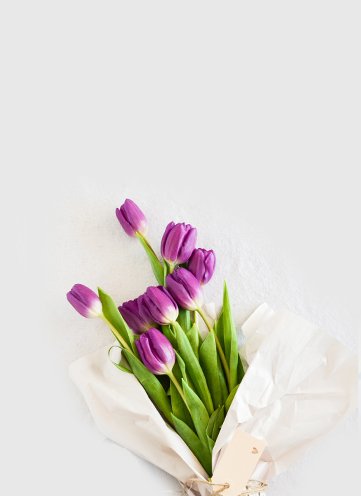
- Tulips keep growing after being cut, often 'reaching' toward light. Re-cut stems as needed and rotate the vase to avoid lopsided growth.
Homemade Solutions for Fresh Cut Flower Care
Homemade Flower Preservatives
If you've run out of commercial flower food, try these quick, accessible mixes:
- Lemon-Lime Soda Solution: Combine 1 part clear, non-diet lemon-lime soda with 3 parts water and a few drops of bleach.
- Apple Cider Vinegar & Sugar: 2 tablespoons apple cider vinegar + 2 tablespoons sugar per quart of water. Stir until dissolved. Add a drop of bleach for an antibacterial boost.
Plain Sugar and Bleach Water
A basic preservative recipe uses just two ingredients:
- 1 teaspoon sugar to feed the flowers
- 1 drop bleach to keep bacteria in check
Add to each quart of room-temperature water, mix thoroughly before adding your blooms.
Common Fresh Flower Care Mistakes to Avoid
- Never use hot water. Hot water can shock and damage delicate petals and stems.
- Don't forget to clean your vase every time you refresh the water. Residual bacteria drastically shorten the life of flowers.
- Don't place arrangements near heating or cooling vents, fans, or direct sunlight. Temperature swings and drafts dehydrate and stress the flowers.
- Avoid crowding too many stems. Overcrowding causes bruised petals and restricts air and water flow.
- Don't leave wilting flowers in the arrangement. Remove them promptly to prevent decay from spreading to healthy blooms.
Special Solutions for Popular Cut Flowers
Roses
- Remove guard petals (the outermost petals that protect the bloom).
- Re-cut stems every 2 days and change the vase water.
- If a rose head droops, re-cut the stem and submerge it in warm water for 30 minutes to rehydrate.
Lilies
- Remove pollen-laden anthers to reduce mess and prolong bloom life.
- Keep water clean and avoid wetting petals, which may stain.
Sunflowers
- Strip off all leaves below the waterline.
- Support the heavy flowers in a sturdy vase and add a coin to the water (the copper acts as a weak antifungal agent).
Orchids and Exotics
- Use distilled or filtered water.
- Mist delicately with water to prevent petals from drying out.
- Avoid drafty areas and sudden temperature changes.
Bonus: Display Ideas for Fresh Cut Flowers at Home
- Group flowers of a single type for a bold, modern look.
- Mix different heights and colors for a relaxed, seasonal arrangement.
- Float blossoms in shallow bowls for a unique centerpiece.
- Repurpose teapots, pitchers, or mason jars for rustic, charming displays.
Frequently Asked Questions About Simple Fresh Cut Flower Care
Q: Can I use aspirin or vinegar for flower care?
A: Aspirin is sometimes recommended to lower water pH, but scientific evidence is mixed. Vinegar can be effective when paired with sugar and a small amount of bleach.
Q: Can ice help my flowers last longer?
A: Ice isn't necessary for most flowers. However, some like hydrangeas or peonies appreciate a short soak in cool water to hydrate petals.
Q: What can I do if my flowers wilt quickly?
A: Re-cut the stems and submerge the entire flower (including heads) in cool water for 30 minutes. If all else fails, remove the most wilted stems and refresh water/preservative.
Conclusion: Enjoy Vibrant, Long-Lasting Blooms
With the right simple solutions for fresh cut flower care, anyone can transform a fleeting bouquet into a long-lasting centerpiece. Always remember the basics: use a clean vase, fresh water, trimmed stems, and regular upkeep. Whether you're caring for classic roses, seasonal tulips, or a wildflower mix, these practical tips and home remedies will keep your fresh flowers looking their absolute best.
Ready to delight in your blooms for longer? Bookmark this comprehensive guide and refer back whenever you need the best tips for caring for fresh cut flowers.